
Puppy Socialization Checklist: How to Raise a Confident, Friendly Dog
A well-socialized puppy is more likely to grow into a calm, confident, and friendly adult dog. On the other hand, puppies that miss out on positive early experiences may become fearful of new people, places, or sounds. That is why a puppy socialization checklist is one of the most useful tools for any new pet parent. This guide explains when to socialize, how to do it safely, and exactly what to introduce.
Why Socialization Matters So Much
Socialization means helping your puppy have positive experiences with the people, animals, places, and sounds they will meet throughout life. Puppies go through a sensitive period, roughly from 3 weeks to about 14 to 16 weeks of age, when they learn most easily about what is safe. Experiences during this window can shape behavior for a lifetime.
In fact, the American Veterinary Society of Animal Behavior (AVSAB) recommends that puppies start socialization before they have finished all of their vaccinations, as long as it is done carefully. Behavior problems are a major reason dogs are given up, so early socialization is an important investment.
How to Socialize a Puppy Safely
- Talk to your vet first: Ask about your puppy’s vaccine schedule and which places are safe to visit.
- Avoid high-risk areas: Until your vet says otherwise, skip dog parks and places where unknown dogs gather.
- Choose well-run puppy classes: Many classes require a first round of vaccines and keep facilities clean.
- Carry your puppy: You can introduce busy places by holding your puppy or using a pet stroller.
- Go slowly: Let your puppy observe from a distance and approach on their own terms.
- Pair new things with treats: Every new experience should come with good things.
- Watch body language: If your puppy tucks their tail, hides, or freezes, give them more distance and try again later.
Quality matters more than quantity. One calm, positive experience is better than many overwhelming ones.
Puppy Socialization Checklist
Aim to introduce a few new things each day. Check items off as your puppy has calm, happy experiences with them.
People
- Men, women, and children of different ages
- People wearing hats, sunglasses, hoods, or uniforms
- People using canes, wheelchairs, or strollers
- Visitors arriving at the door
- Gentle handling by friends and family
Other Animals
- Calm, healthy, vaccinated adult dogs
- Other puppies in a supervised class
- Cats, if they are friendly with dogs
- Seeing (not chasing) birds and other animals from a distance
Sounds
- Doorbells and knocking
- Vacuum cleaners and hair dryers
- Traffic, sirens, and thunder (start with recordings at low volume)
- Babies crying and children playing
- Kitchen sounds like pots and blenders
Places and Surfaces
- Car rides
- The vet clinic (for happy visits with treats)
- Grass, gravel, tile, wood floors, and metal grates
- Stairs and ramps
- Busy sidewalks, viewed from a calm distance
Handling and Care
- Touching paws, ears, mouth, and tail
- Brushing and nail trims
- Wearing a collar, harness, and leash
- Being lifted and gently held
- Short periods alone in a crate
Many of these skills make later care much easier, such as when you crate train a puppy or brush your dog’s teeth.

Socializing Puppies With Children
If you have kids, teach them to be gentle and calm around the puppy. Have children sit on the floor, offer treats, and let the puppy come to them. Always supervise puppies and young children together. For families expecting a baby, our guide to introducing your dog to a new baby is a helpful next read.
Signs Your Puppy Needs a Break
- Tail tucked or ears pinned back
- Yawning, lip licking, or turning away
- Trying to hide or escape
- Freezing or refusing treats
If you see these signs, calmly move away from whatever is bothering your puppy and try again later at a greater distance.
Frequently Asked Questions
When should I start socializing my puppy?
Right away. Many puppies come home around 8 weeks old, which is right in the middle of the sensitive period. Start with your home and safe, controlled experiences.
Is it too late to socialize an older puppy or dog?
Not at all. Older dogs can still learn, although progress may be slower. Work at their pace and consider help from a certified trainer.
Should my puppy meet every dog we see?
No. Choose calm, friendly, vaccinated dogs for meetings. Unpredictable greetings can scare a young puppy.
Final Thoughts
Following a puppy socialization checklist helps your puppy grow into a confident, friendly companion. Start early, keep every experience positive, and let your puppy set the pace. The time you invest now will pay off for years to come.
For more training help, explore our pet parent tips, including how to stop puppy biting.
Image Credits
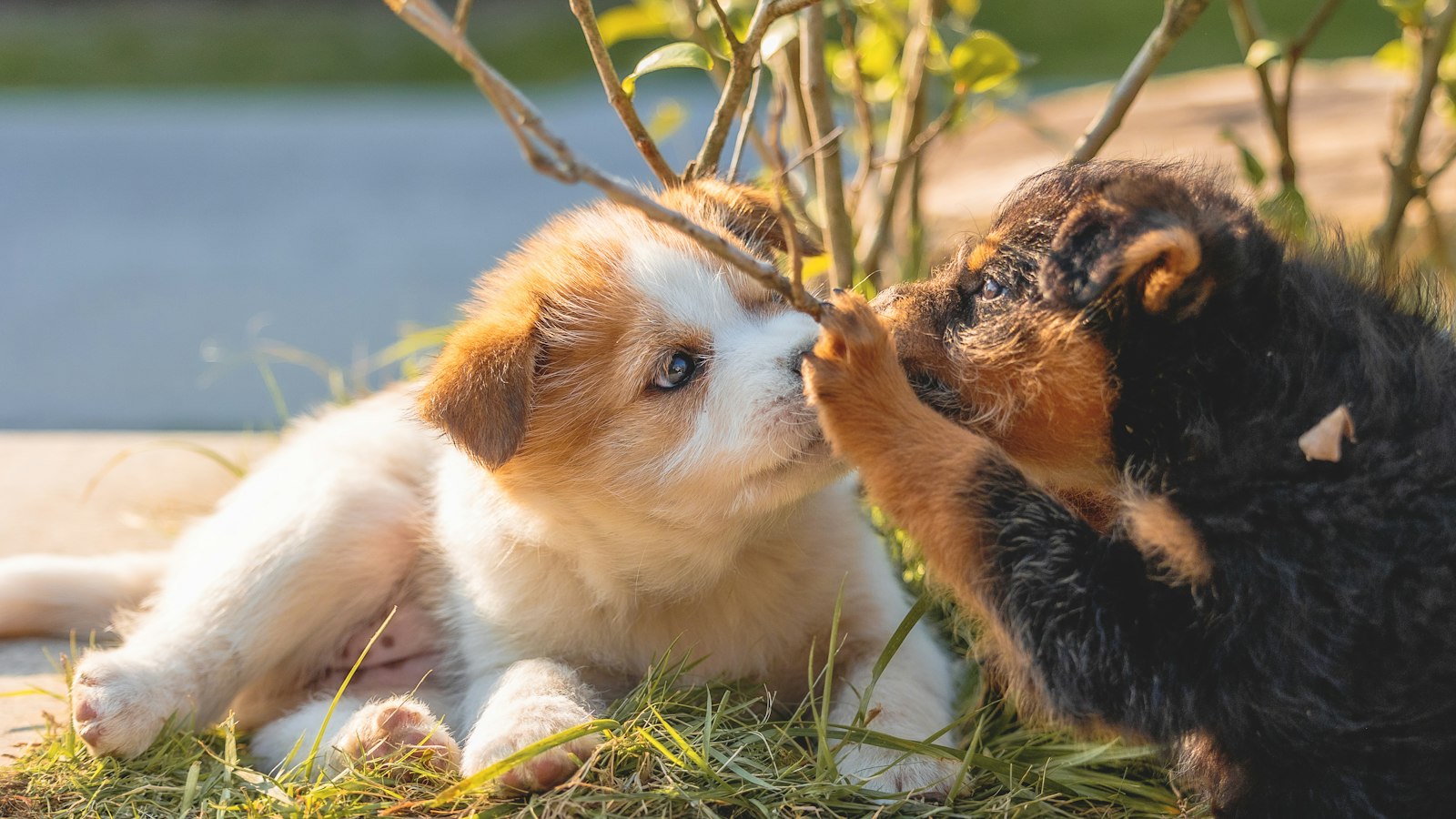
- Two Puppies Playing in the Grass: Photo by realfish on Unsplash
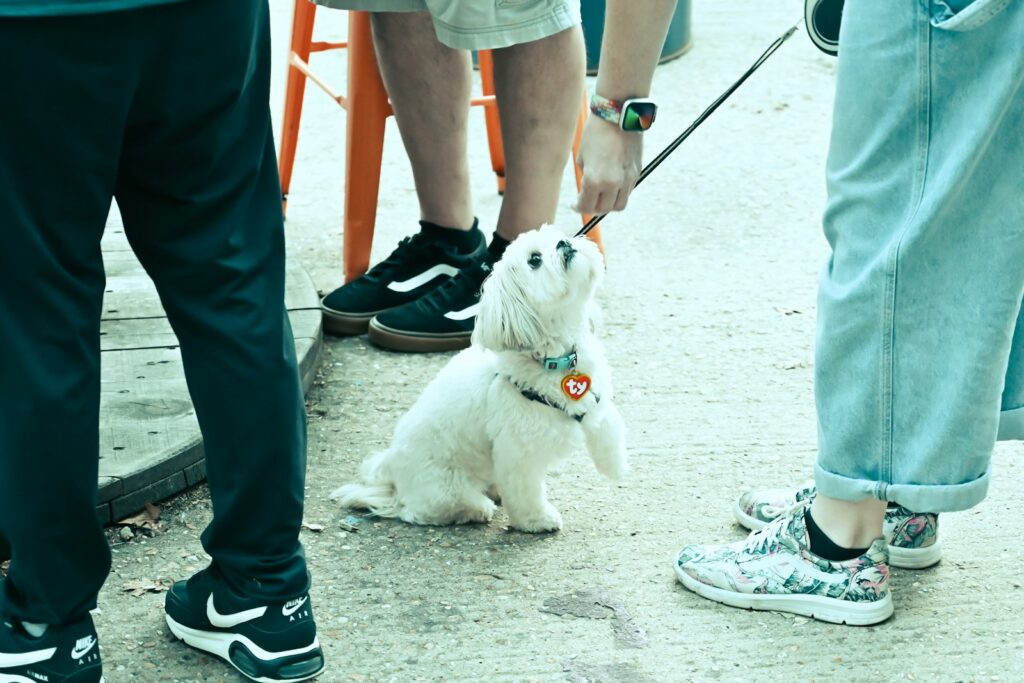
- Small White Dog on a Leash: Photo by Nik on Unsplash
- Small Dog Walking Down a Street: Photo by Nik on Unsplash